

About Us

About Shubh Machines

A Rajkot-built roti machine line, made for kitchens that can’t afford inconsistency.

Company introduction

Machines named for what they deliver

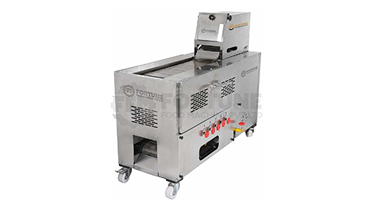
SUBH MACHINES (INDIA) PVT. LTD. designs and manufactures automatic roti and chapati making machines out of Rajkot, Gujarat — built for restaurants, hotels, cloud kitchens, canteens and food processing plants that need a fixed, dependable output every service.
We kept the range simple on purpose: SM-500, SM-800 and SM-1000 are named for exactly what they produce, in pieces per hour, so a kitchen can choose by its own peak-hour numbers rather than decode marketing language. The SM-BALL dough divider rounds out the line for kitchens that portion before they press.
[Add a line here on company registration — CIN, year of incorporation, founder names — once confirmed.]

History

How we got to the current SM range

Timeline below is a draft structure — share your actual founding year and milestones and I’ll drop them in.
[ADD YEAR]
Company founded
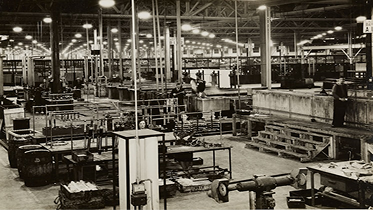
SUBH MACHINES (INDIA) PVT. LTD. established in Rajkot, Gujarat, drawing on the food-machinery manufacturing background of the JK'S Engineering Works group.

[ADD YEAR]
First automatic roti machine produced
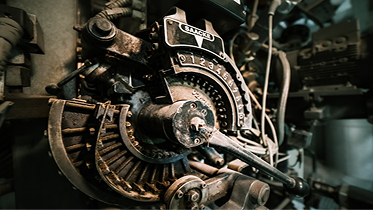
[Add a short note on the first model built and the problem it solved for early customers.]

[ADD YEAR]
Range expanded to SM-500 / SM-800 / SM-1000
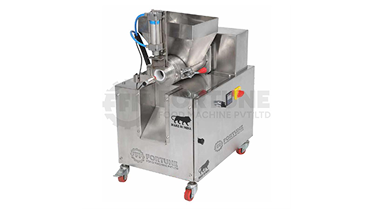
Line extended to cover a full span of commercial kitchen volumes, each model named for its rated hourly output.

[ADD YEAR]
SM-BALL dough divider introduced
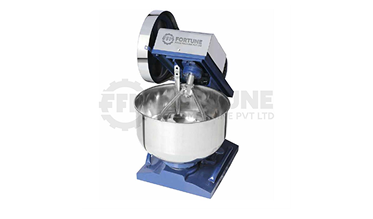
Added to portion dough ahead of the roti line, reducing manual prep labour for customers.

Today
Serving kitchens across India [and export markets — confirm]
[Add current scale — number of machines installed, cities/states served, or any other current milestone worth stating.]
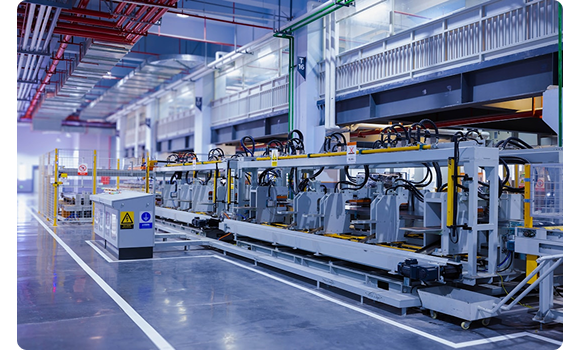

Manufacturing facility

Built and tested in Rajkot

Every SM machine is fabricated, assembled and run-tested at our Rajkot facility before it ships. Keeping manufacturing in-house lets us hold the exact pcs/hr rating printed on each machine’s spec sheet.
[Add facility size — sq. ft.]
[Add fabrication capacity — units/month]
[Add machinery/equipment on the floor]
In-house welding & assembly
[Share your facility’s built-up area, key equipment and monthly production capacity and I’ll turn this into real specs.]

Team

The people behind the machines

Sample roles below — send real names, titles and photos and I’ll swap them in.

Dough Ball Cutting Machine

Founder / Director

[Name]

Production Head

[Name]

Quality Control Lead

[Name]

Sales & Support

Mission

Reliable roti output, kitchen after kitchen

To build roti and chapati machines that hold their rated output under real commercial pressure — so every kitchen that runs an SM machine can plan its service around a number it can trust.

[Draft statement — confirm or rewrite in your own words.]

Vision

A dependable name in commercial kitchen equipment

To build roti and chapati machines that hold their rated output under real commercial pressure — so every kitchen that runs an SM machine can plan its service around a number it can trust.

[Draft statement — confirm or rewrite in your own words.]

Infrastructure

What the factory runs on

Fabrication & welding bay

[Add details — CNC/manual, sheet metal capacity, etc.]

Assembly line

[Add details — number of assembly stations, throughput per week.]

Testing bay

Each machine is run-tested against its rated pcs/hr before dispatch.

Packing & dispatch

[Add details — packaging standard, dispatch turnaround time.]

R&D

Refining the line, not just building it

Our engineering team works on improving consistency, throughput and ease of cleaning across the SM range, testing changes against real kitchen conditions before they reach a production machine.
[Add current R&D focus areas]
[Add prototyping process]
[Add any patents/proprietary mechanisms]

Quality control

Checked before it leaves the floor

Raw material check

Stainless steel and components inspected on arrival against spec.

In-process inspection

Welds, fittings and moving parts checked at each assembly stage.

Output rating test

Every machine is run against its rated pcs/hr figure before it's cleared for dispatch.

Final inspection & sign-off

[Add details on final QC checklist / sign-off process if you have a formal one.]

Export markets

Where our machines travel

Placeholder region chips below — tell me which countries you actually export or ship enquiries to and I’ll update this list.
[Add Country]
[Add Country]
[Add Country]
[Add Country]
[Add Country]

Certifications

Standards we build to

Badges below are placeholders — only real, current certifications should go live here. Send certificate copies/numbers and I’ll fill these in.

[ISO Certification]

[Add number / add if applicable]

[Food-Grade Material Cert]

[Add details]

[MSME / Udyam Registration]

[Add registration number]

[CE Marking]

[Add if applicable — export markets]

Payment methods

How you can pay

Confirm which of these you actually accept — placeholders removed once confirmed.
Bank Transfer / NEFT / RTGS
[UPI — confirm]
[Advance + Balance on Delivery — confirm split]
[Letter of Credit — export orders]
[Cheque / DD — confirm]

Logistics & shipping

Getting your machine to your kitchen

Domestic dispatch

[Add typical dispatch timeline and courier/transport partners used.]

Packaging

Machines are crated and secured for transit to prevent damage to moving parts.

Export shipping

[Add export shipping process — ports used, Incoterms offered (FOB/CIF etc.), if applicable.]

Installation on arrival

Our technicians handle on-site setup and staff training once the machine reaches you.

See the machines in detail.

Full specifications for the SM range.

Scroll to Top